
Vacuum Packaging vs MAP: Which Is Right for Your Meat Products?
Packaging has a direct effect on meat color, shelf life and customer appeal. Vacuum packaging and Modified Atmosphere Packaging (MAP) are the two most common choices, and each serves a different purpose.
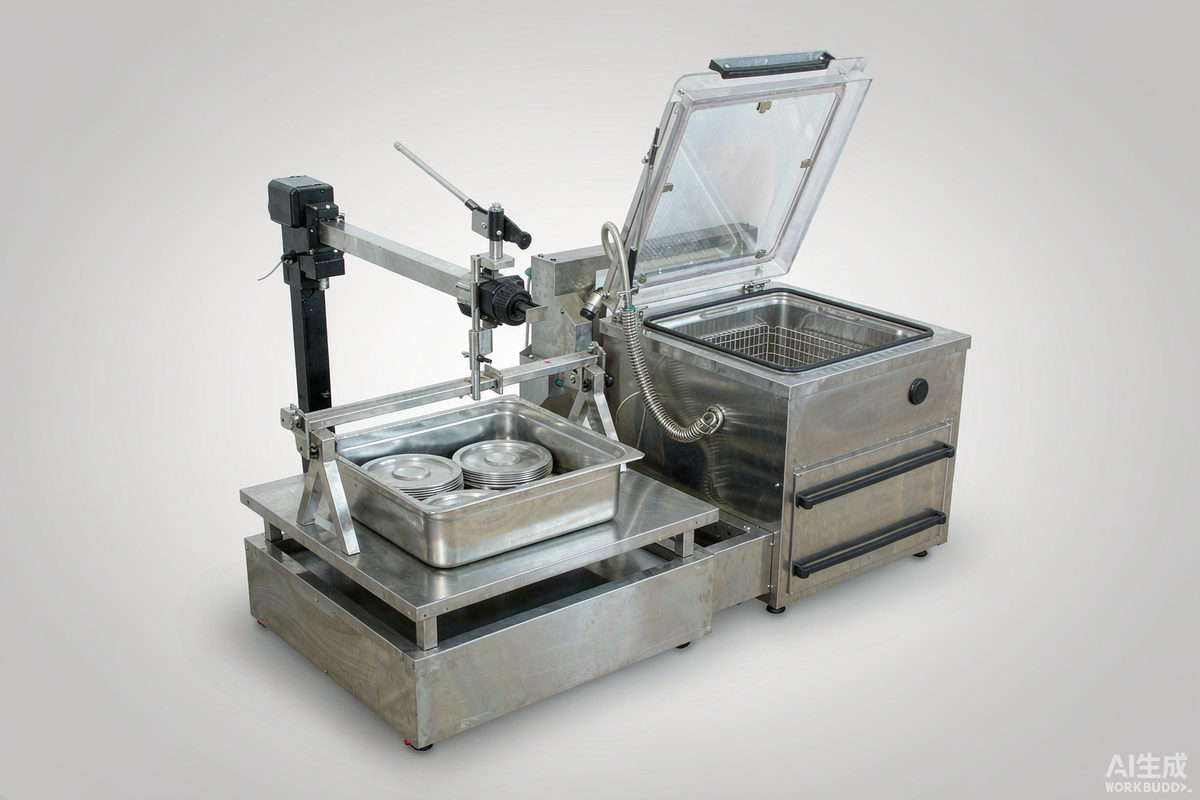
How Vacuum Packaging Works
Vacuum packaging removes air from the pack, slowing oxidation and aerobic bacterial growth. It is widely used for cooked meats, vacuum-sealed cuts and long-distance distribution.
The tight pack also improves presentation for certain products and reduces freezer burn.
How MAP Works
MAP replaces the air in a tray with a controlled mixture of gases. High-oxygen MAP keeps fresh red meat bright red, while CO2 helps inhibit microbial growth.
Gas composition should be matched to the product and distribution conditions.
Choosing Based on Product Type
Fresh beef often uses high-oxygen MAP for retail display. Cooked meats, sausages and longer shelf-life products often perform better in vacuum packs.
Ready meals typically use MAP trays with a sealing film.
Cost and Operational Considerations
MAP requires gas supply and tray sealing equipment, while simple vacuum packers have lower operating complexity.
Both methods require strict temperature control to deliver the expected shelf life.
Making the Right Decision
Test both methods with your actual product and distribution route. Measure color stability, shelf life and customer feedback before standardizing.
Need equipment for your meat processing project?
Dezoton supplies individual machines and complete production lines. Tell us your product and capacity for a tailored recommendation.
Get a Quote